
Table of Contents
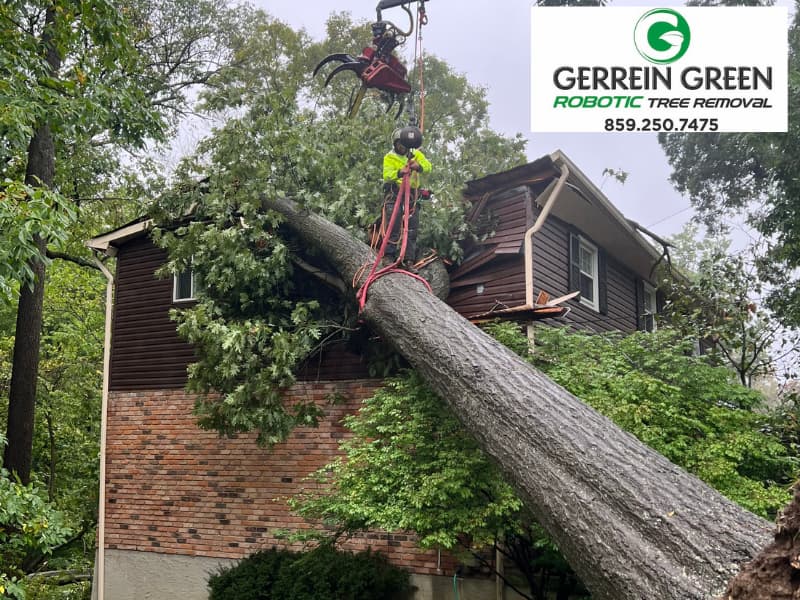
Storms can leave your landscape looking very different in just a few hours. Strong winds, heavy rain, lightning, and falling debris often weaken trees in ways that are not immediately visible. While a damaged tree may still be standing, hidden structural issues can turn it into a serious hazard over time. Acting quickly after severe weather helps protect your family, property, and surrounding landscape.
Ignoring storm-damaged trees can lead to expensive repairs and unnecessary safety risks. Prompt inspections and professional care reduce the chance of falling branches, unstable trunks, and further property damage while helping you decide if a tree can be saved or should be removed.
Why Storm-Damaged Trees Need Immediate Attention
Not every tree that survives a storm is safe. Some develop internal cracks, root damage, or weakened limbs that make them unstable long after the weather has cleared. Waiting too long allows these problems to worsen. Wind, additional rainfall, or even the weight of healthy branches can cause an already weakened tree to fail unexpectedly. Addressing storm-damaged trees early lowers the risk of injuries and prevents damage to homes, vehicles, fences, and nearby landscaping. Professional arborists also determine if restoration is possible before recommending removal, ensuring the right solution for each situation.
Common Signs That a Storm-Damaged Tree Is Unsafe
Some warning signs are obvious, while others require a trained eye. After severe weather, inspect your property from a safe distance and look for visible changes.
Broken Tree Limbs Can Create Immediate Hazards
Large broken tree limbs hanging above driveways, roofs, or walkways may fall without warning. Even branches that appear secure can break loose as the wood dries or during the next storm.
Cracked or Split Trunks
Deep cracks running through the trunk often indicate structural weakness. Trees with major trunk damage rarely regain their original strength and may become unstable over time.
Leaning Trees With Root Damage
A tree that suddenly begins leaning after a storm may have suffered root failure. Saturated soil can reduce stability, increasing the chance of the tree falling.
Hanging Branches and Canopy Damage
A damaged canopy places uneven weight on the remaining structure. This imbalance creates additional stress that can lead to branch failure.
Hidden Internal Damage
Not all storm damage is visible. Internal decay, weakened wood fibers, and unseen fractures often require an experienced arborist for accurate evaluation.
The Risks of Delaying Hazardous Tree Removal
Postponing hazardous tree removal can create problems that become more expensive and dangerous over time.
Some of the biggest risks include:
- Falling branches that threaten people, vehicles, and buildings.
- Damage to roofs, fences, sheds, and outdoor structures.
- Trees interfering with power lines or blocking access routes.
- Increased cleanup costs if the tree collapses later.
- Reduced safety for neighbors, visitors, and pedestrians.
Professional Damaged Tree Removal Protects Your Property
Storm recovery is not simply about cutting down damaged trees. Every situation requires careful planning to prevent additional damage during removal. Professional damaged tree removal includes evaluating the tree’s condition, identifying nearby hazards, selecting the safest removal method, and cleaning debris responsibly. Specialised equipment also allows crews to work safely around homes, utilities, and other valuable landscape features. Gerrein Green provides experienced arborist services that focus on protecting both people and property while restoring outdoor spaces after storms.
Tree Removal After Severe Weather Requires Experience
Emergencies often involve unstable trees, tangled branches, or debris resting against structures. These conditions make do-it-yourself removal especially dangerous.
Professional crews understand how storm damage affects tree stability and know how to remove compromised trees safely.
During tree removal after severe weather, arborists typically:
- Inspect the entire tree, including roots and surrounding hazards.
- Determine if the tree can be preserved or requires removal.
- Remove dangerous sections in a controlled manner.
- Clear storm debris safely.
- Recommend additional pruning or tree health assessments for nearby trees.
Why Choose Professional Arborists for Storm-Damaged Trees?
Removing storm-damaged trees involves far more than operating a chainsaw. Every cut affects the tree’s balance, making experience essential. Qualified arborists understand tree biology, structural defects, and safe removal techniques. They also recognize when pruning can preserve a tree instead of removing it completely.
Gerrein Green offers emergency tree services, tree pruning, tree health assessments, stump grinding, commercial tree services, and disaster relief for property owners dealing with storm damage. Their knowledge helps homeowners make informed decisions instead of relying on guesswork.
Protect Your Landscape Before the Next Storm
Storm recovery should also include preparing the remaining trees on your property. Healthy trees are generally more resilient during future weather events.
Routine maintenance may include:
- Removing weak or dead branches.
- Pruning to improve structural balance.
- Inspecting trees for disease or decay.
- Monitoring mature trees after major storms.
Schedule Service for Storm-Damaged Trees Today
Contact Gerrein Green today to schedule a storm damage assessment and restore your property’s safety.